
3 Sep 2025
Exploring the Mystique of Upper Mustang: A Journey Beyond Time
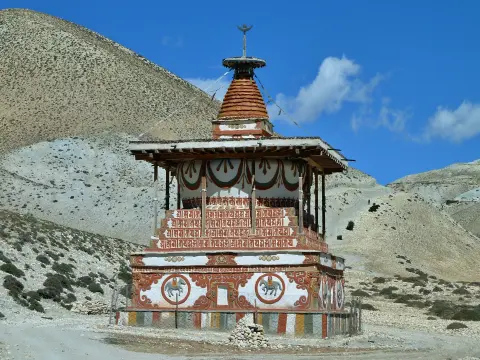
This adventure whisks you from the dramatic Kali Gandaki Gorge to the ancient walled city of Lo Manthang, where time stands sti...


Step into a world where history breathes through every carved window, golden spire, and sacred courtyard — welcome to the Kathmandu Valley, Nepal’s cultural crown jewel. Nestled amid rolling hills and framed by the majestic Himalayas, the valley is home to an extraordinary collection of ancient temples, royal palaces, and timeless monuments that stand as living testaments to the country’s spiritual and artistic brilliance. Each structure tells a story of devotion, dynasty, and design, offering travelers an intimate glimpse into Nepal’s vibrant past and living traditions.
The Kathmandu Valley is not merely a destination — it is a journey through centuries of civilization. Declared a UNESCO World Heritage Site, it encompasses the three ancient royal cities of Kathmandu, Patan (Lalitpur), and Bhaktapur, each adorned with spectacular palace squares, intricately carved pagodas, and serene courtyards. Whether it’s the solemn spirituality of Pashupatinath Temple, the architectural elegance of Patan Durbar Square, or the timeless serenity of Swayambhunath Stupa, the valley’s treasures continue to captivate travelers from around the globe. With Kamana International Tours and Travels, you are invited to uncover these wonders through carefully curated experiences that connect you not only with the past but with the living spirit of Nepal today.
At the heart of Nepal lies a place where myth and history merge — the Kathmandu Valley, often called the “Timeless Heart of Nepal.” For over a thousand years, it has been the cradle of Nepali civilization, serving as the center of religion, art, architecture, and culture. The valley’s strategic location at the crossroads of ancient trade routes brought together influences from Tibet, India, and beyond, shaping a unique cultural identity found nowhere else in Asia. Here, sacred temples rise beside bustling marketplaces, and the echoes of ancient rituals resonate alongside the rhythm of modern life. This seamless blend of the old and the new gives the valley its distinct charm — a harmony of past and present that continues to inspire all who visit.
Kathmandu Valley is often described as a “Living Museum of Heritage” — and rightly so. Unlike preserved ruins or deserted monuments elsewhere in the world, the valley’s heritage sites are vibrant and alive, still serving as the spiritual and cultural centers of daily life. Devotees light butter lamps at dawn, artisans carve deities in hidden courtyards, and festivals fill the streets with music and color, just as they have for centuries. The temples and palaces of Kathmandu Valley are unique among Asian civilizations because they embody a perfect fusion of Hindu and Buddhist artistry, reflecting the region’s inclusive spirituality. The iconic pagoda-style architecture, intricate Newar woodwork, and exquisite metal craftsmanship showcase a level of creativity and devotion that has inspired neighboring cultures for generations.
To explore the Kathmandu Valley is to embark on a journey through time — one that connects you to ancient kings, living gods, and the timeless heartbeat of Nepalese tradition. With Kamana International Tours and Travels as your guide, every step through these sacred streets becomes an unforgettable experience, revealing the valley’s enduring magic and the stories that continue to shape Nepal’s soul.
The Kathmandu Valley’s history is deeply entwined with the rise of the Malla Kings, who ruled from the 12th to the 18th century. Their reign is often referred to as the golden age of art, culture, and architecture in Nepal. During this period, the valley blossomed into a cradle of creativity, where royal patronage inspired the construction of breathtaking palaces, intricately carved temples, and artistically designed courtyards. The Malla rulers competed with one another to build the most magnificent city squares — Kathmandu, Patan, and Bhaktapur Durbar Squares — each a masterpiece showcasing their devotion, vision, and artistic excellence. These monuments remain enduring symbols of the valley’s regal grandeur and cultural sophistication.
One of the most fascinating aspects of Kathmandu Valley’s heritage is the fusion of Hindu and Buddhist influences in its art and architecture. Here, pagodas stand beside stupas, and the chants of Hindu priests blend harmoniously with Buddhist prayers. This spiritual symbiosis is reflected in temple carvings, metalwork, and paintings that depict both Hindu deities and Buddhist iconography, coexisting in mutual reverence. Recognizing its unparalleled cultural and architectural heritage, UNESCO designated the Kathmandu Valley as a World Heritage Site, acknowledging its universal significance and its role as a living testament to Nepal’s glorious past.
At the heart of the capital lies Kathmandu Durbar Square, a magnificent ensemble of temples, courtyards, and palaces that once served as the royal seat of the Malla and Shah kings. Known locally as Hanuman Dhoka Palace Complex, this square was the political, ceremonial, and cultural center of ancient Kathmandu. Every brick and carving here tells the story of Nepal’s royal lineage — from coronation ceremonies to religious festivals that continue to animate the square today. The architectural splendor of the complex, with its tiered roofs, gilded spires, and elaborate woodwork, captures the timeless grandeur of Nepal’s monarchy.
One of the most revered landmarks within the square is the Kumari Ghar, home to the Living Goddess Kumari, a young girl believed to be the earthly incarnation of the goddess Taleju. Her presence infuses the square with an aura of mysticism and devotion. Among the square’s many shrines, the Taleju Temple, dedicated to the royal goddess, stands tall as a symbol of divine protection, accessible only to the king during his reign. Nearby, the Hanuman Dhoka Palace impresses visitors with its ancient courtyards, museums, and royal insignia, while the Jagannath Temple, adorned with exquisite erotic carvings, reveals the artistic boldness of Newar craftsmen. For travelers, Kathmandu Durbar Square is not just a historical site—it is a living chronicle of Nepal’s spiritual and royal evolution.
Across the Bagmati River lies Patan (Lalitpur), the “City of Fine Arts,” a name that perfectly captures its essence. Patan Durbar Square is a dazzling display of Newar craftsmanship, with golden rooftops, ornate windows, and intricately carved wooden balconies adorning every corner. Once the royal seat of the Malla kings of Patan, this square reflects centuries of devotion to both religion and art. It is a place where every brick seems touched by creativity, and every courtyard tells a story of cultural brilliance. The square’s harmonious blend of Hindu and Buddhist monuments exemplifies the valley’s deep-rooted spiritual unity.
At the heart of the square stands the stunning Krishna Mandir, a stone temple dedicated to Lord Krishna, renowned for its exceptional shikhara-style architecture inspired by Indian design but perfected by local artisans. Nearby, the Hiranya Varna Mahavihar, also known as the “Golden Temple,” glows with sacred beauty, its bronze and gilt metalwork gleaming in the sunlight. As visitors wander through Mul Chowk, Sundari Chowk, and Keshav Narayan Chowk, they witness the refined artistry of the Malla period—delicate wood carvings, royal courtyards, and intricately detailed lattice windows. Patan Durbar Square stands as a living gallery, preserving the artistic legacy that makes Nepal one of Asia’s most culturally rich destinations.
Travel a little further east, and time seems to slow in Bhaktapur, the “City of Devotees.” Unlike the bustling streets of Kathmandu, Bhaktapur retains its medieval charm, where ancient brick lanes, red-tiled roofs, and artisan workshops transport visitors back to the 15th century. Once a powerful and independent kingdom under the Malla rulers, Bhaktapur remains an architectural gem that captures the spirit of Nepal’s golden era. Its preservation of traditional lifestyles, festivals, and crafts makes it a truly living museum of Newar culture and devotion.
The centerpiece of the city, Bhaktapur Durbar Square, is a spectacular showcase of medieval architecture and craftsmanship. Dominating the square is the 55-Window Palace, a royal masterpiece renowned for its ornate wooden latticework and regal design. Nearby, the Nyatapola Temple, a towering five-tiered pagoda dedicated to Goddess Siddhi Lakshmi, stands as Nepal’s tallest temple and an icon of balance and strength. The Bhairavnath Temple, dedicated to the fierce deity Bhairav, reflects the city’s deep spiritual energy. Bhaktapur is also famous for its traditional pottery and woodcarving, crafts that have been passed down through generations and continue to thrive today. Wandering through its alleys, visitors can witness artisans shaping clay, carving deities, and keeping alive a cultural heritage that has endured for centuries.
Beyond the grandeur of the royal squares, Kathmandu Valley is adorned with sacred temples and stupas that define Nepal’s spiritual identity. One of the most iconic landmarks is Swayambhunath Stupa, famously known as the Monkey Temple. Perched atop a hill overlooking the city, it offers a panoramic view of the entire valley, embodying the ancient harmony between Hinduism and Buddhism. The great stupa, adorned with the all-seeing eyes of the Buddha, symbolizes wisdom and compassion watching over the valley. Surrounding shrines, fluttering prayer flags, and the scent of incense create an atmosphere of deep serenity. Here, monkeys roam freely, monks chant prayers, and devotees from all walks of life climb the 365 steps to offer homage — a true representation of unity in diversity.
To the east lies Pashupatinath Temple, Nepal’s most sacred Hindu shrine dedicated to Lord Shiva. Situated along the holy Bagmati River, this UNESCO World Heritage Site is both a place of worship and reflection on the eternal cycle of life and death. The temple’s golden rooftops, silver-plated doors, and intricate wood carvings radiate divine grandeur. Pilgrims from across the world come to seek blessings and witness the ancient cremation rituals performed on the ghats — a moving testament to Nepal’s deep spiritual traditions. Not far away stands the majestic Boudhanath Stupa, one of the largest in the world and the spiritual heart of Tibetan Buddhism. Its massive white dome and golden spire rise high into the sky, surrounded by monasteries, prayer wheels, and chanting monks. As butter lamps flicker and pilgrims circle the stupa in reverence, Boudhanath exudes a timeless peace that connects heaven and earth.
The architectural beauty of Kathmandu Valley is not only awe-inspiring but also deeply symbolic. The pagoda-style architecture, characterized by its tiered roofs and intricate woodwork, was born in Nepal and later spread across Asia, influencing temples in China, Tibet, and Japan. Every structure — from towering temples to humble shrines — reflects a harmonious blend of form, function, and faith. The sloping roofs, often gilded with copper or gold, symbolize layers of the cosmos, while the pinnacle (gajur) represents the point where the divine and the earthly meet. The courtyards within palace complexes and monasteries serve as sacred spaces where art, worship, and community converge, demonstrating the unity of daily life and spirituality.
Each carving, strut, and window in these temples carries deeper meaning. Deities and mythical creatures are not merely decorations but protectors of sacred space, while the ornate toranas (door arches) mark the transition from the mundane to the divine. Even the layout of temples follows spiritual geometry, designed according to ancient Tantric principles that mirror the cosmic order. The Kathmandu Valley itself is said to form a mandala, with its sacred sites positioned in a pattern that embodies balance and harmony. For travelers, understanding this symbolism adds a profound dimension to every visit — transforming sightseeing into a journey through the sacred design of Nepal’s soul.
The living heritage of Kathmandu Valley extends far beyond its monuments. Throughout the year, the valley bursts into color and celebration with its vibrant festivals and rituals that reflect both Hindu and Buddhist traditions. During Indra Jatra, the streets of Kathmandu come alive with masked dances, chariot processions, and the appearance of the Living Goddess Kumari, symbolizing the unity of divinity and community. In Patan, the Rato Machhindranath Jatra — one of the valley’s longest and most elaborate festivals — honors the rain god, bringing together people of all faiths in shared devotion. These festivals are not just events but expressions of Kathmandu’s soul, where spirituality and joy flow together like the rivers that cradle the valley.
Around the temples and palaces, daily life unfolds with quiet devotion. Early mornings see devotees lighting butter lamps, monks chanting mantras, and vendors selling marigold garlands and sacred offerings. The rhythm of ancient tradition beats strongly even amid the pulse of modern life. Cafés and art galleries now stand beside centuries-old shrines, young artists sketch the temples their ancestors built, and urban life adapts while preserving its heritage. This coexistence of the old and the new makes the Kathmandu Valley unlike any other place in the world — a living canvas where heritage and modernity dance in harmony, inviting travelers to witness not just the past, but the ongoing story of Nepal’s vibrant cultural heart.
The Kathmandu Valley is a treasure chest of human creativity and devotion, but its preservation comes with immense challenges. The devastating earthquake of 2015 severely damaged many of its ancient temples and palaces, shaking not only the structures but also the cultural heart of Nepal. Since then, tremendous recovery and restoration efforts have taken place to revive the valley’s timeless heritage. Skilled artisans, many trained in traditional Newar techniques, have painstakingly rebuilt brick by brick, restoring intricately carved woodwork and golden pinnacles with the same devotion that created them centuries ago. These restorations are not merely architectural projects — they are acts of cultural renewal, breathing life back into monuments that define Nepal’s identity.
Yet, as tourism flourishes, the valley faces the delicate task of balancing preservation with modernization. The steady influx of visitors supports the local economy but also places pressure on fragile heritage sites. Efforts by local artisans, communities, and global organizations — including UNESCO and cultural NGOs — are helping to ensure that conservation remains sustainable. Together, they emphasize responsible tourism, restoration training, and the protection of traditional crafts. These collaborations remind us that preserving the Kathmandu Valley is not only a Nepali responsibility but a global duty — to safeguard a living legacy of faith, artistry, and resilience for generations to come.
Exploring the ancient temples and palaces of Kathmandu Valley is an unforgettable journey — one best experienced with thoughtful planning. The best time to visit is during Nepal’s autumn (September to November) and spring (March to May) seasons, when the skies are clear, the weather is pleasant, and the valley’s festivals are in full bloom. A well-planned route often begins with Kathmandu Durbar Square, followed by the serene stupas of Swayambhunath and Boudhanath, before continuing to Patan and Bhaktapur for their royal squares and artistic wonders. Kamana International Tours and Travels offers curated itineraries that weave together these highlights while also introducing travelers to hidden courtyards, lesser-known temples, and authentic local experiences that most tourists miss.
When visiting these sacred sites, travelers should be mindful of local customs and etiquette. Modest dress is recommended, and shoes should be removed before entering temple courtyards. Certain shrines, such as Pashupatinath’s inner sanctum, are restricted to Hindus only — but the surrounding areas offer beautiful views and rich cultural experiences for all. Photography is generally allowed, though visitors should always seek permission before photographing religious rituals or devotees. For those seeking a more intimate experience, Kamana’s local guides can lead you to offbeat temples and hidden gems, such as the quiet Itumbahal Courtyard or the Changu Narayan Temple, Nepal’s oldest surviving Hindu temple. These serene spaces offer a glimpse of the valley’s spiritual soul, far from the bustle of city life.
To walk through the Kathmandu Valley is to step into a living tapestry where history, spirituality, and artistry intertwine. Every temple bell that rings, every incense stick that burns, and every intricately carved window tells a story passed down through centuries. The valley is not just a destination — it is an experience of timeless connection, where the divine meets the earthly and where every traveler becomes part of an ancient narrative. Its temples and palaces stand as open books of stone and wood, whispering tales of devotion, creativity, and resilience that continue to inspire awe in all who visit.
For Kamana International Tours and Travels, this journey is more than a sightseeing tour — it is an invitation to discover the living heart of Nepal. The ancient temples and palaces of Kathmandu Valley are not relics of the past; they remain vital, breathing symbols of Nepal’s cultural and spiritual identity. As you wander through sacred courtyards, gaze upon golden rooftops, and listen to the chants that have echoed for a thousand years, you realize that the valley’s magic lies in its continuity. Here, history is not something you read about — it is something you walk through, feel, and carry with you long after your journey ends.



